All Safaris
5 Days Essential Tanzania Educational Safari
5 Days Tarangire National Park · Ngorongoro Crater · Serengeti National Park · Lake Manyara National Park Private safari
From $2,000 per person
From $2,000 per person
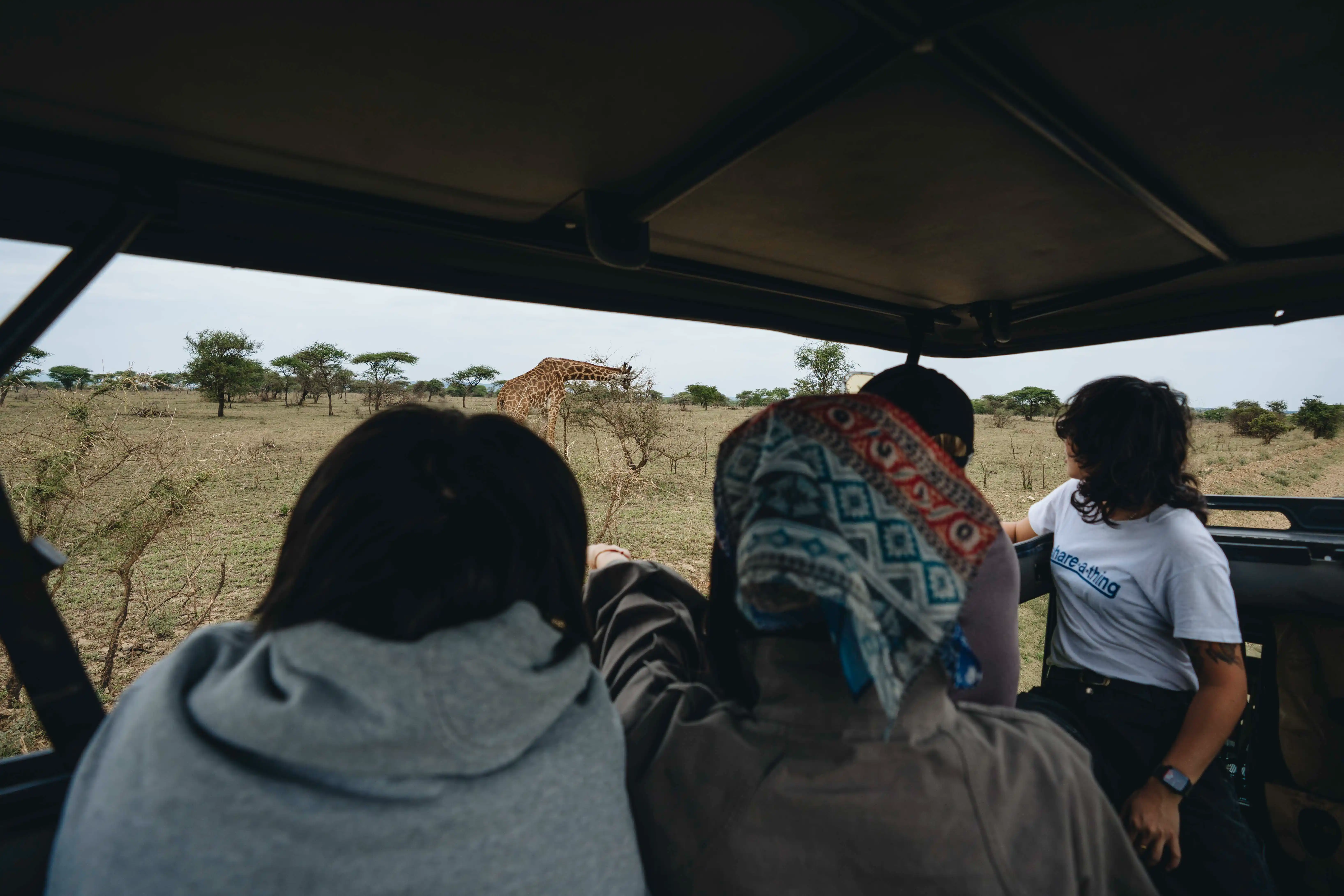
This bespoke educational itinerary is meticulously crafted for students and academic groups, providing a profound introduction to the ecological wonders of Tanzania's Northern Circuit. Our expert-led journey balances rigorous wildlife observation with the comfort of premium mid-range lodges, offering an immersive look at Africa's most celebrated ecosystems.
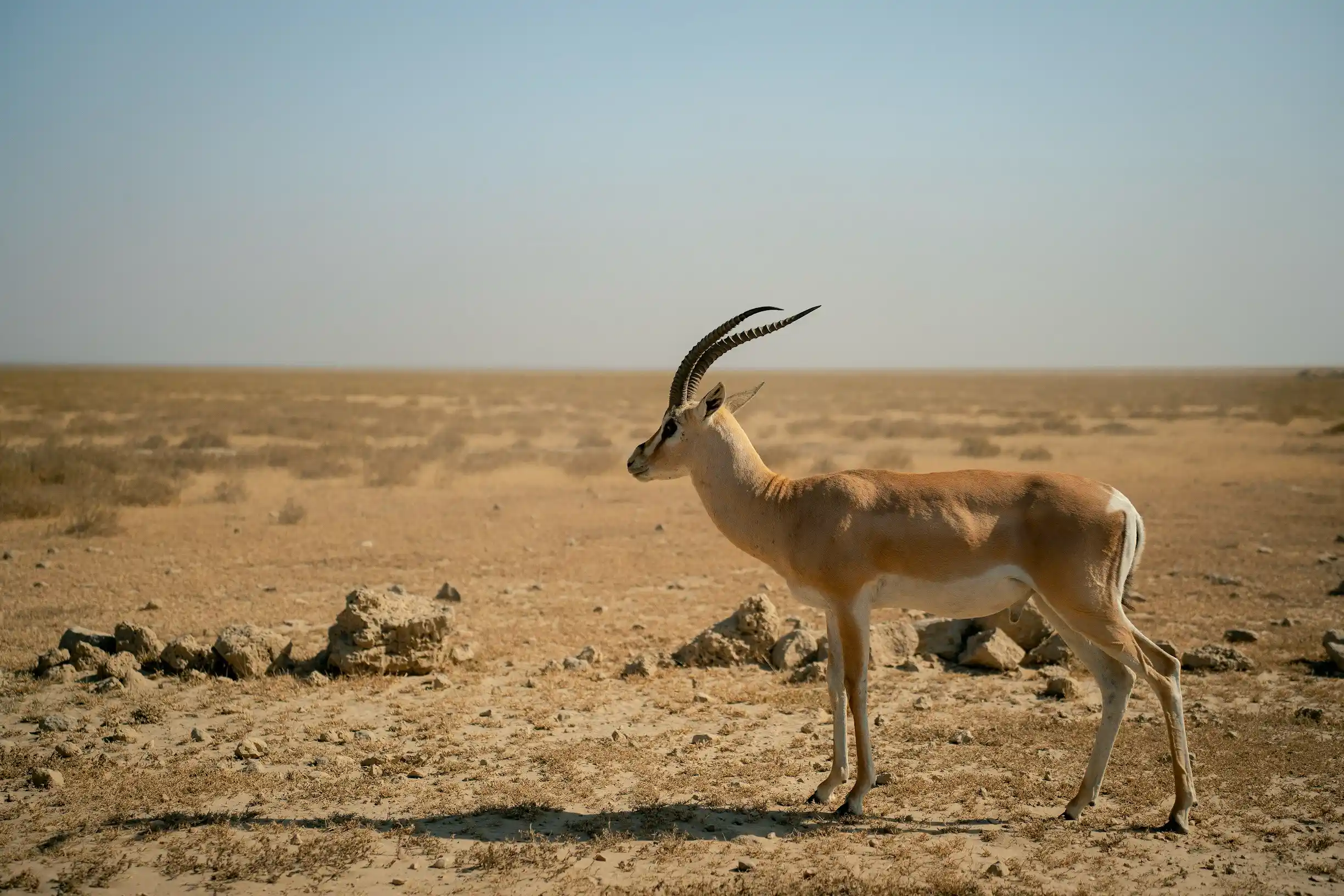
Witness the staggering diversity of the natural world, from the ancient baobabs of Tarangire to the lush groundwater forests of Manyara. Students will explore the legendary Serengeti, home to the Big Five and the Great Migration, and descend into the geological marvel of the Ngorongoro Crater, a self-contained sanctuary for the rare black rhino.
Beyond simple sightseeing, this safari serves as a living classroom, fostering a deep understanding of conservation and biodiversity. Each day is curated to inspire curiosity while ensuring a safe, professional, and comfortable environment for young explorers and their mentors.
Day by Day
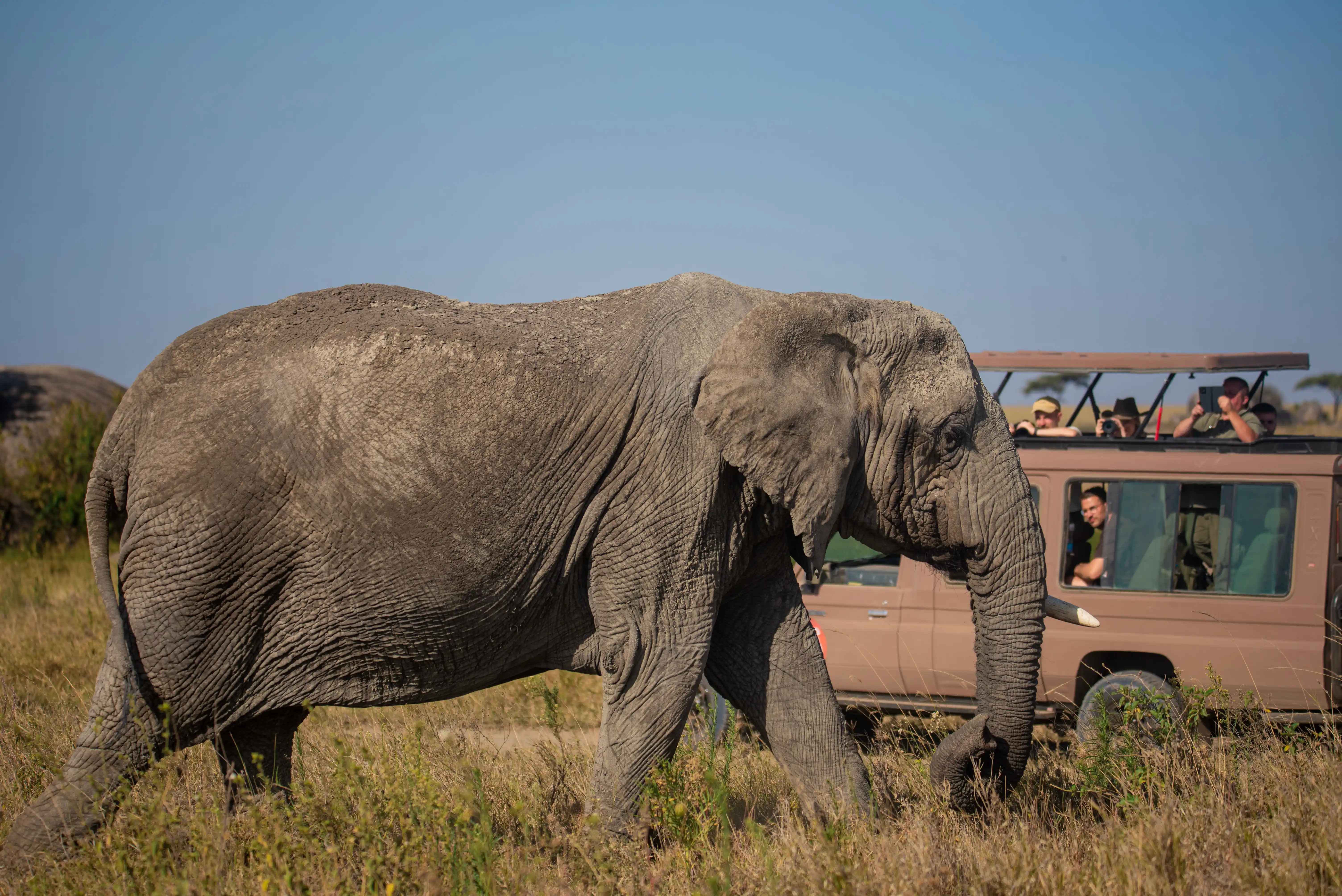
Depart Arusha for the land of giants, where massive baobabs dwarf the landscape and colossal elephant herds roam. Observe a rich tapestry of avian life and predators gathered near the life-giving Tarangire River.
Ascend the highlands for a morning exploration of the Crater's floor, a dense wildlife haven, before traversing towards the boundless Serengeti. Reach your safari camp by dusk for an evening under the stars.
Dedicate a full day to the world's most famous wilderness, tracking big cats and vast herds of grazers across the savannah. Depending on your travel dates, you may witness the drama of the Great Migration in motion.
Enjoy a final morning game drive in the Serengeti to capture lasting memories of its unique predators. Later, journey back to the lush, green Ngorongoro Highlands for a relaxing evening at a scenic lodge.
Explore the diverse habitats of Lake Manyara, known for its flamingos and unique lions that rest in trees. Conclude your educational expedition with a scenic drive back to Arusha for your onward flight.
The dry months from June to October offer the most prolific wildlife viewing around water sources. For those wishing to see the Great Migration, January to March is excellent for the calving season in the southern plains.
Questions
Absolutely. We customise the pace to suit academic groups, ensuring a balance of education, safety, and comfort throughout the journey.
Keep Exploring