All Experiences Safari Experience
Calving Season Safaris
Half a million births on the green plains of Ndutu
Half a million births on the green plains of Ndutu
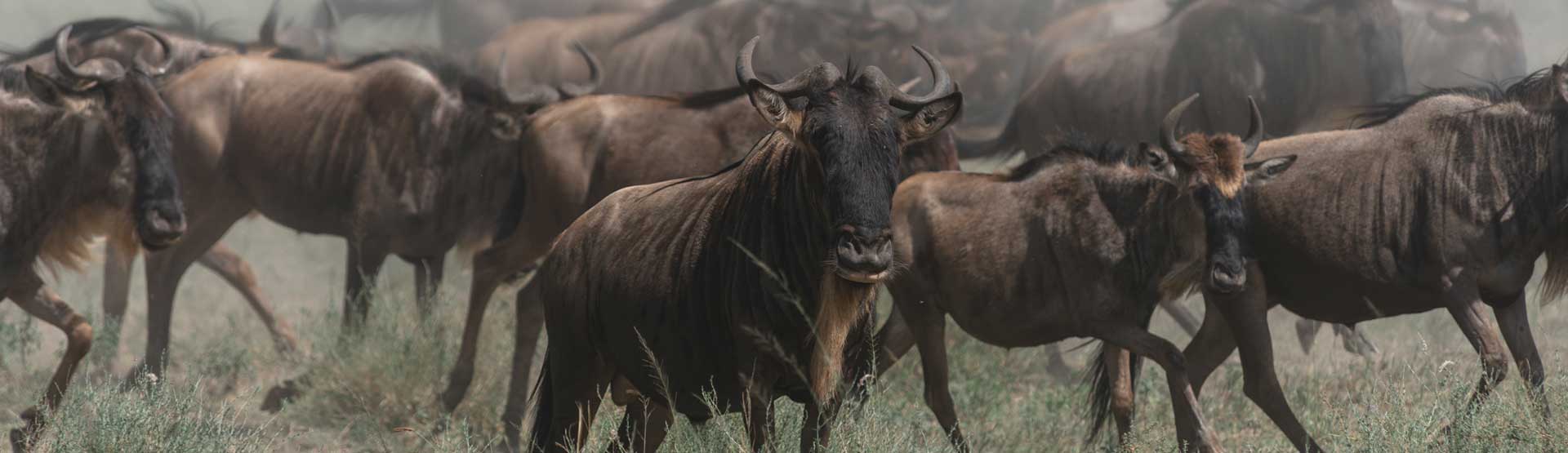
Between late January and March, the southern Serengeti and Ndutu plains turn into the greatest wildlife nursery on Earth — around 8,000 wildebeest calves born every single day, with predators never far behind.
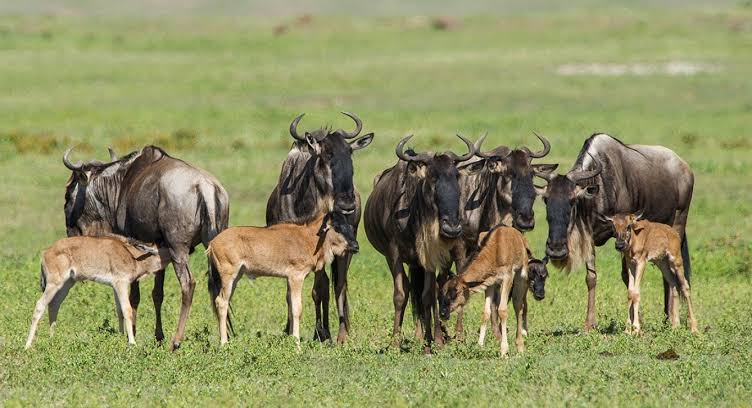
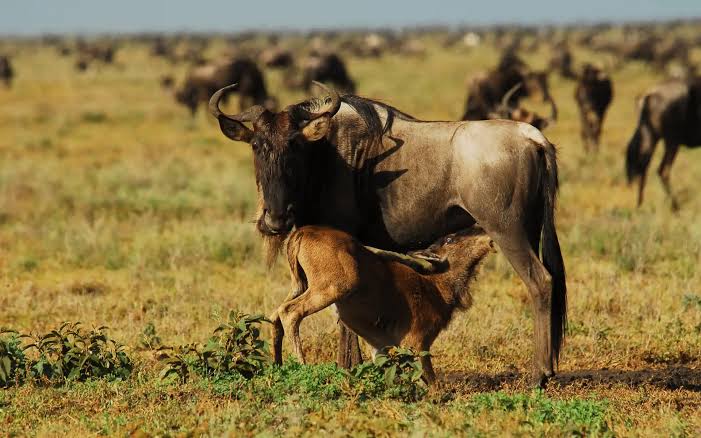
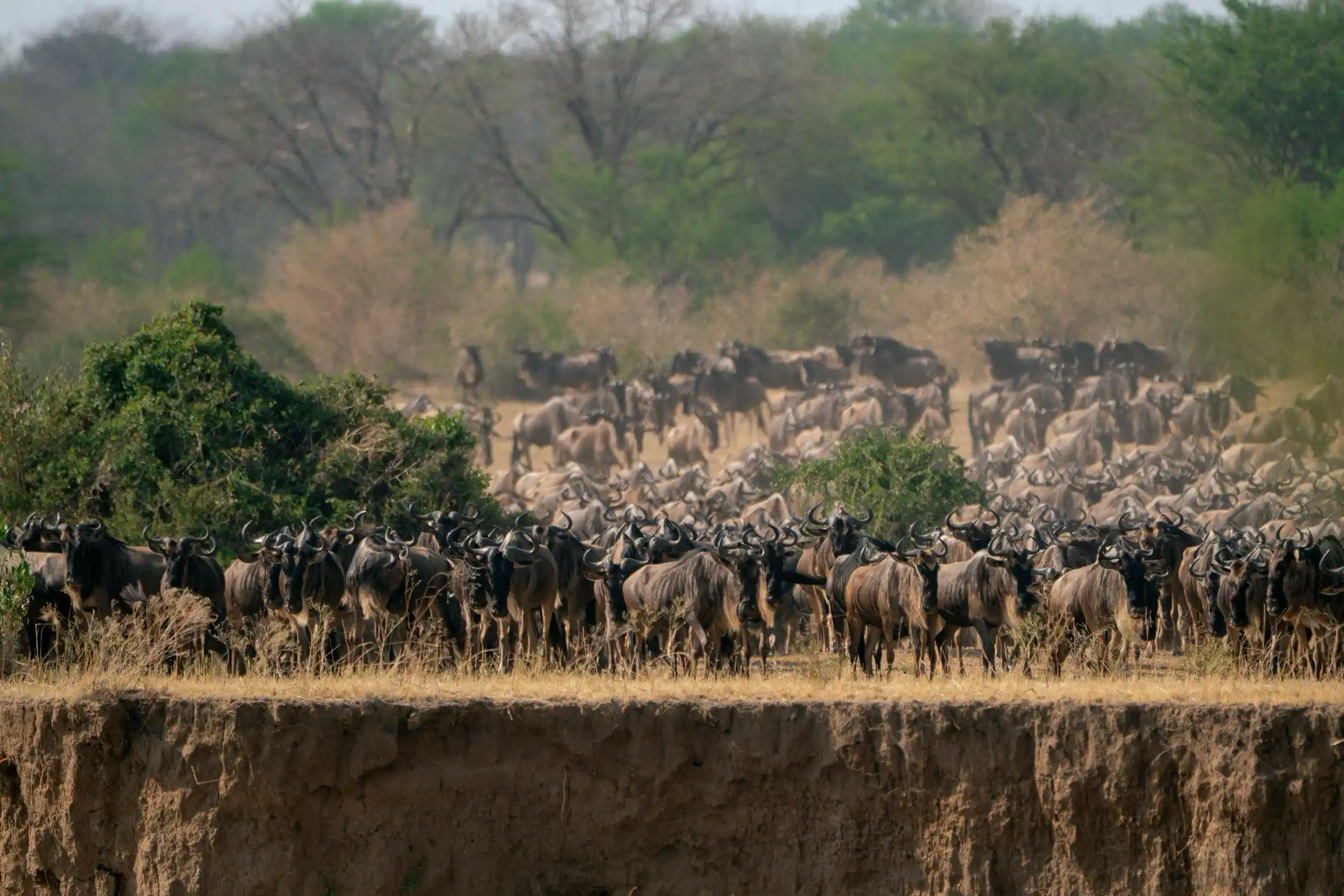
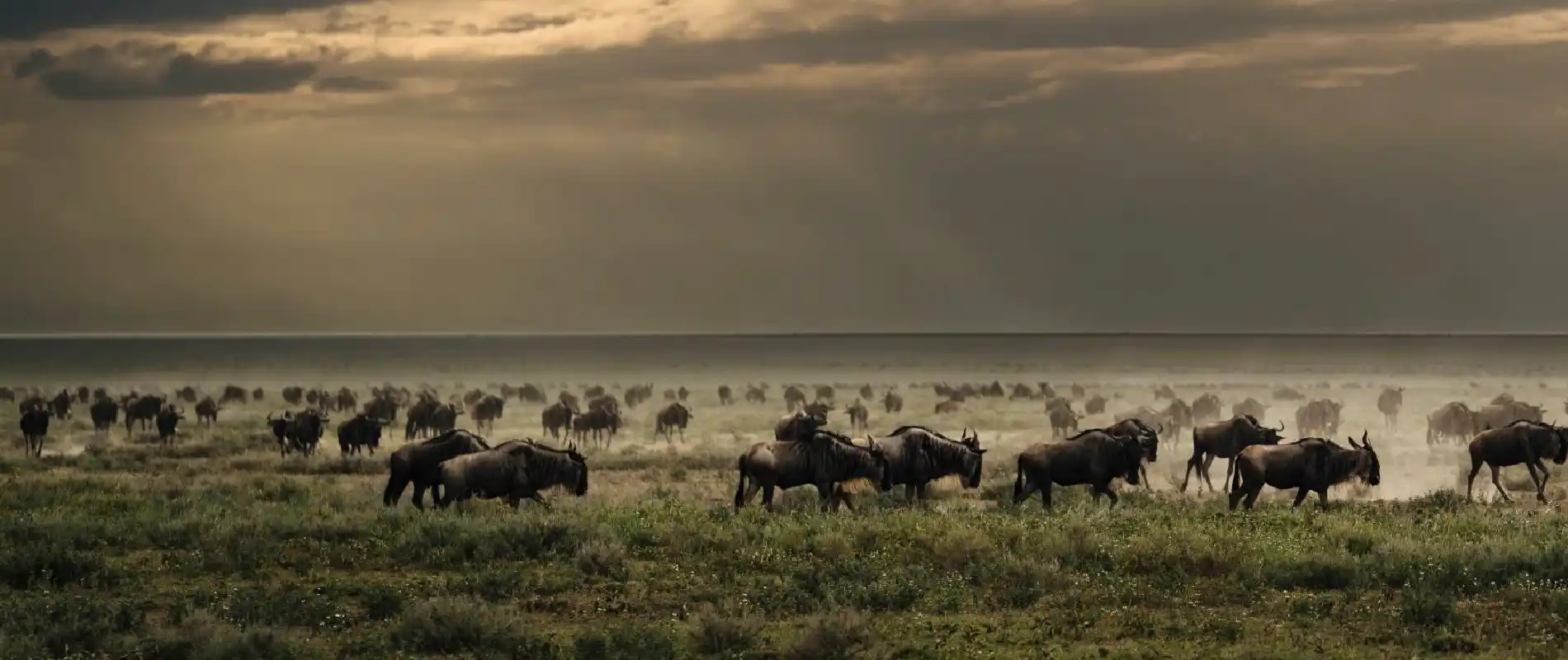
The calving season is the Great Migration's most intimate chapter. Drawn by the nutrient-rich grasses that follow the short rains, the herds gather on the open plains of the southern Serengeti and the Ngorongoro Conservation Area around Ndutu. In a synchronised burst lasting just a few weeks, roughly half a million calves are born.
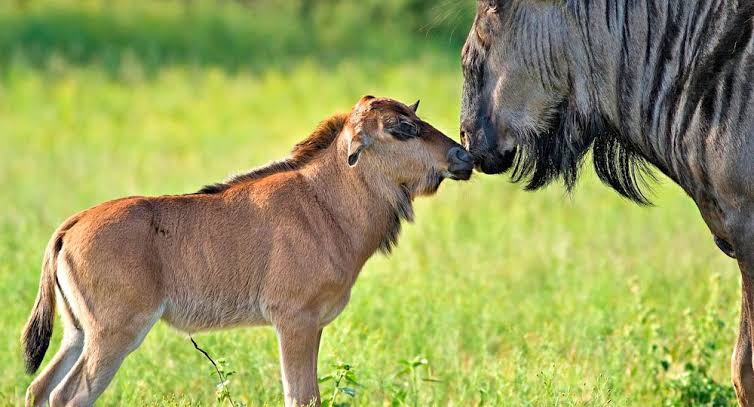
A newborn wildebeest can stand within minutes and run with the herd within a day — but not all of them make it. This concentration of vulnerable young draws every predator in the region: lion prides, cheetah coalitions, hyena clans and even rarely seen honey badgers and jackals. The predator-prey interaction during these weeks is the most intense of the safari year.
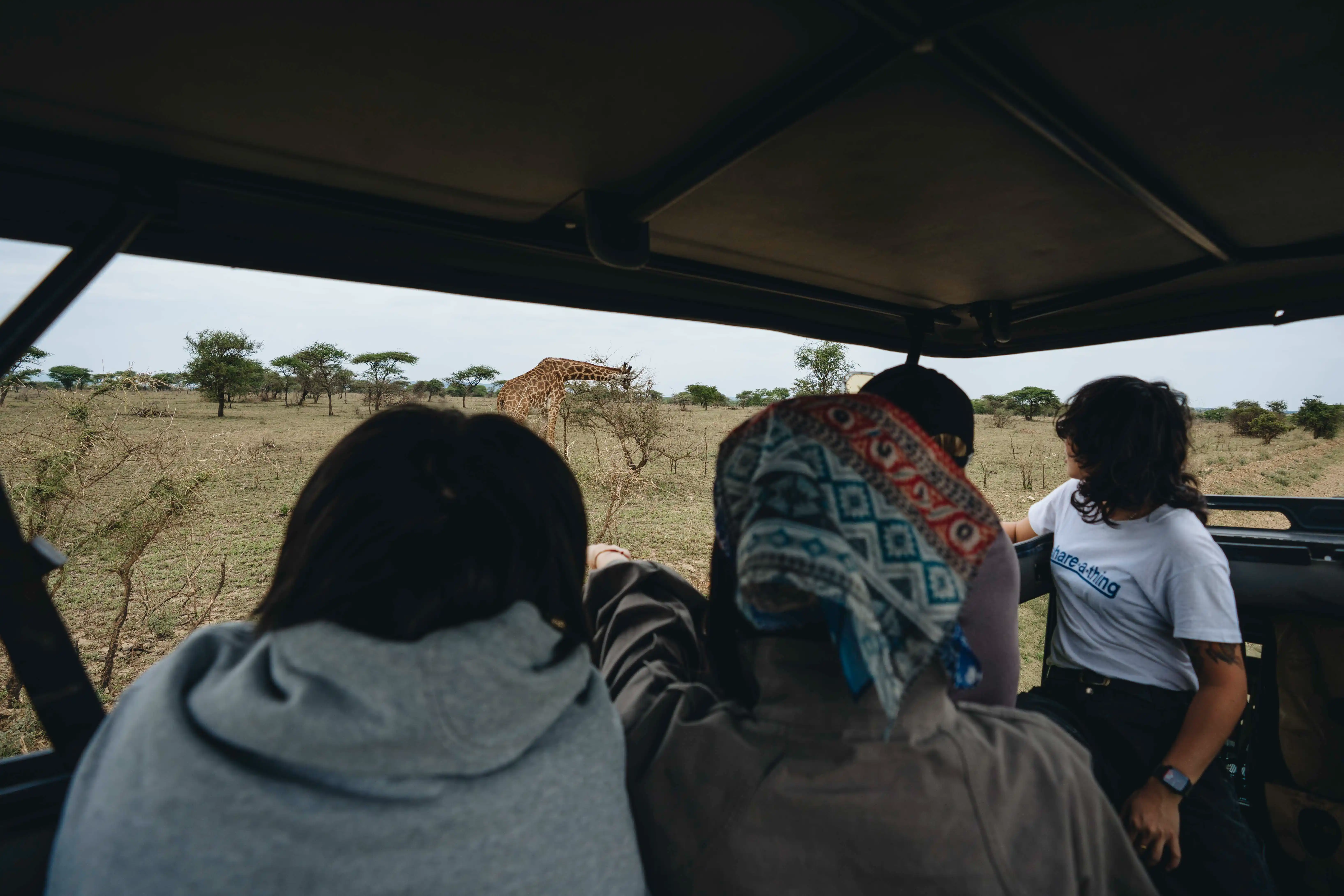
Ndutu is also one of the very few areas in Tanzania where off-road driving is permitted, so we can position you close to the action rather than watching from a distant track. Days here are green, dramatic and surprisingly uncrowded — the calving season remains one of safari's best-kept secrets compared with the river-crossing months.
Share your dates, group size, and wishes — we will reply within 24 hours with a tailor-made itinerary and quote built around this experience.
Questions
The main calving window runs from late January to early March, peaking in February. Because it follows the short rains, the exact timing and location shift slightly each year — we track the herds and position camps accordingly.
Safaris
Tarangire · Central Serengeti · Northern Serengeti
Tarangire · Serengeti · Ngorongoro Crater
Arusha · Tarangire · Lake Manyara · Ngorongoro