All Safaris
4 Days Ndutu Migration Calving Season Discovery
4 Days Arusha · Southern Serengeti (Ndutu Area) · Ngorongoro Crater Private safari
From $1,850 per person
From $1,850 per person
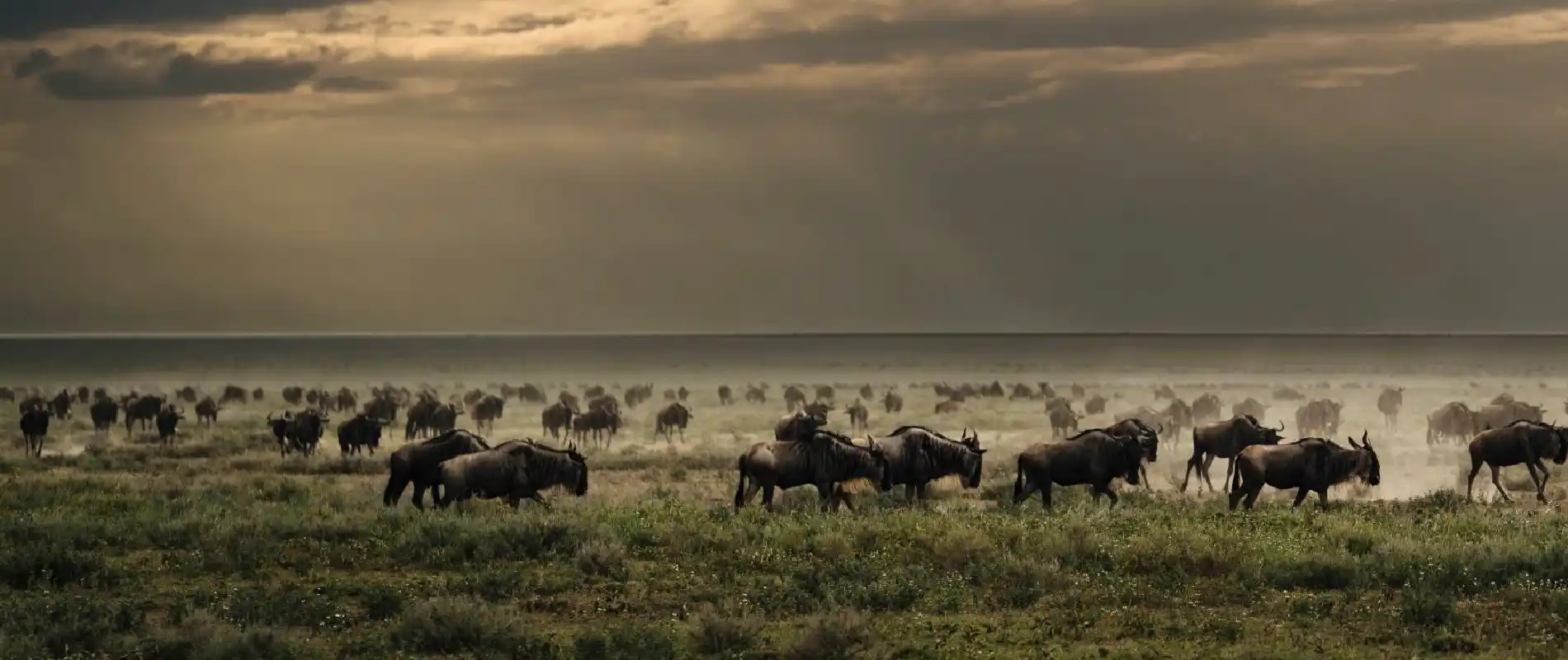
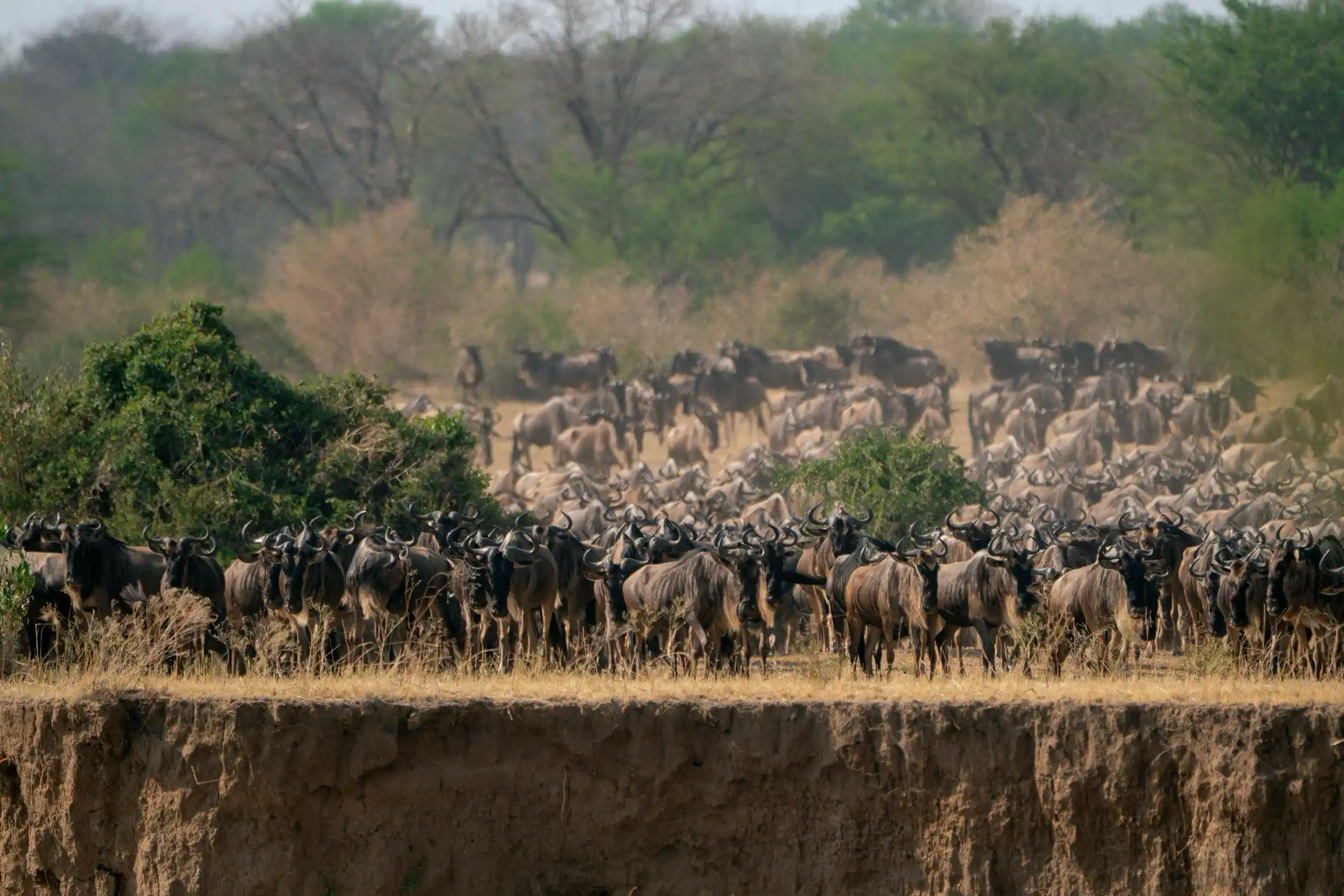
This bespoke four-day expedition is meticulously crafted to place you at the very heart of the Great Wildebeest Migration during the vital calving months. As hundreds of thousands of wildebeest congregate on the nutrient-dense short-grass plains of Southern Serengeti and Ndutu, you will witness nature's most profound cycle of birth and survival. The emerald landscape provides a stunning backdrop for one of Africa's most significant wildlife events.
The abundance of vulnerable newborns during this period naturally draws an exceptional density of apex predators. Guests can expect unparalleled opportunities to observe lions, cheetahs, leopards, and hyenas in high-stakes action. Our expert guides navigate these vast horizons to ensure you are perfectly positioned for the most dramatic sightings, from first steps to adrenaline-fueled hunts.
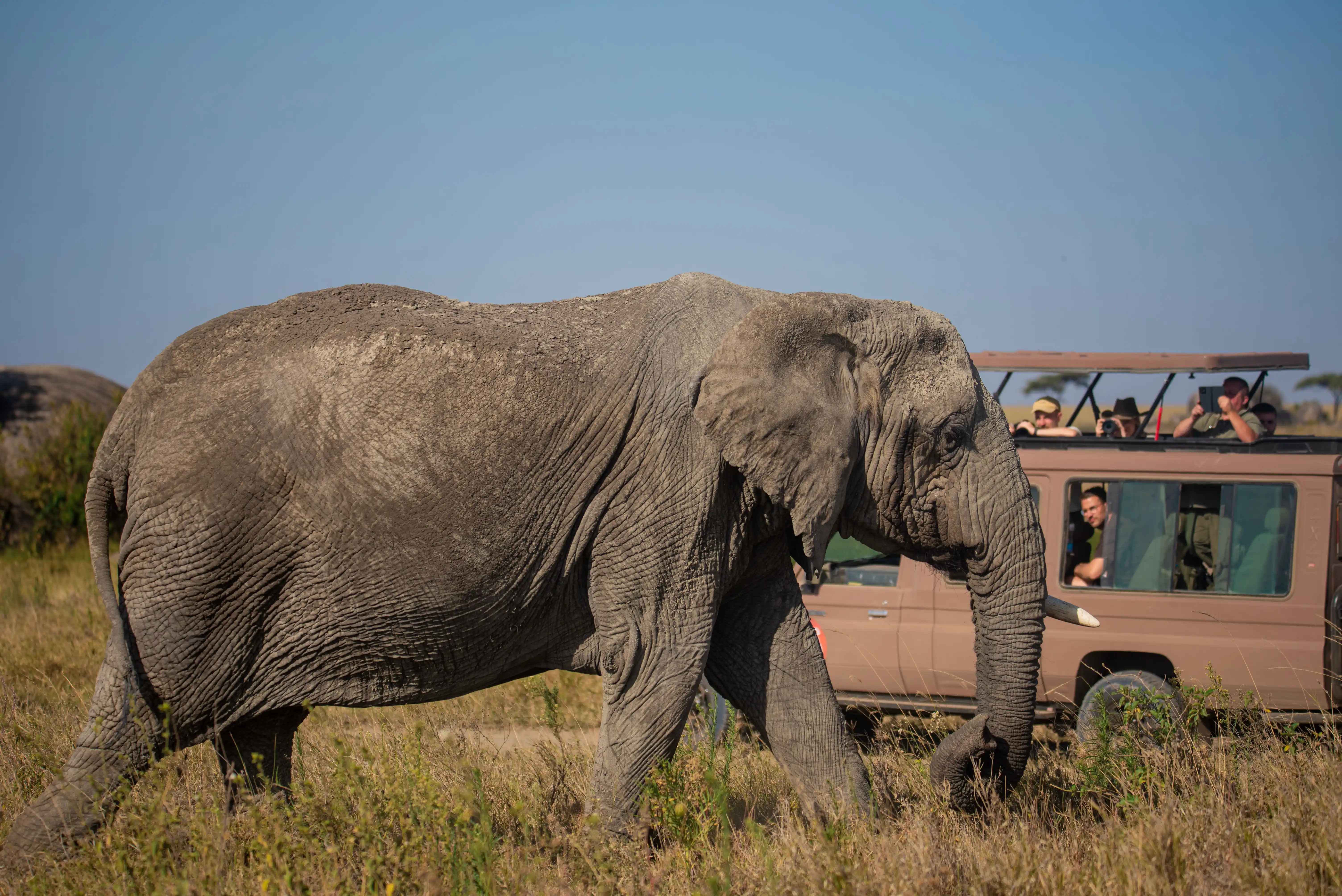
Your journey concludes with a descent into the majestic Ngorongoro Crater, a geological marvel teeming with the Big Five. Throughout the safari, you will enjoy premium hospitality in intimate migration camps, blending the raw thrill of the wilderness with the refined comforts of a luxury bush experience. This is Tanzanian wildlife viewing at its most intense and rewarding.
Day by Day
Following a morning briefing in Arusha, traverse the picturesque Great Rift Valley towards the Ndutu plains. After a refined lunch at camp, embark on your first game drive to encounter the immense migratory herds and their resident predators.
Spend a full day immersed in the calving grounds where half a million wildebeest are born annually. Your guide will track the herds through diverse habitats, from acacia woodlands to seasonal soda lakes, stopping for a scenic picnic in the wild.
Dedicate another day to the rhythms of the migration, focusing on specific wildlife behavior or elusive species missed previously. With no fixed schedule, your guide adapts the route to follow the morning's most exciting wildlife movements and kills.
Descend into the world-renowned Ngorongoro Crater at dawn for a final morning of spectacular wildlife viewing, including the rare black rhino. After a lakeside lunch, ascend the rim and return to Arusha for your onward flight or hotel transfer.
The optimal window for this calving itinerary is between January and March when the herds settle in Ndutu. This period offers the highest concentration of newborns and peak predator activity.
Questions
The peak calving season typically occurs between late January and February, when thousands of calves are born daily on the Ndutu plains.
Keep Exploring