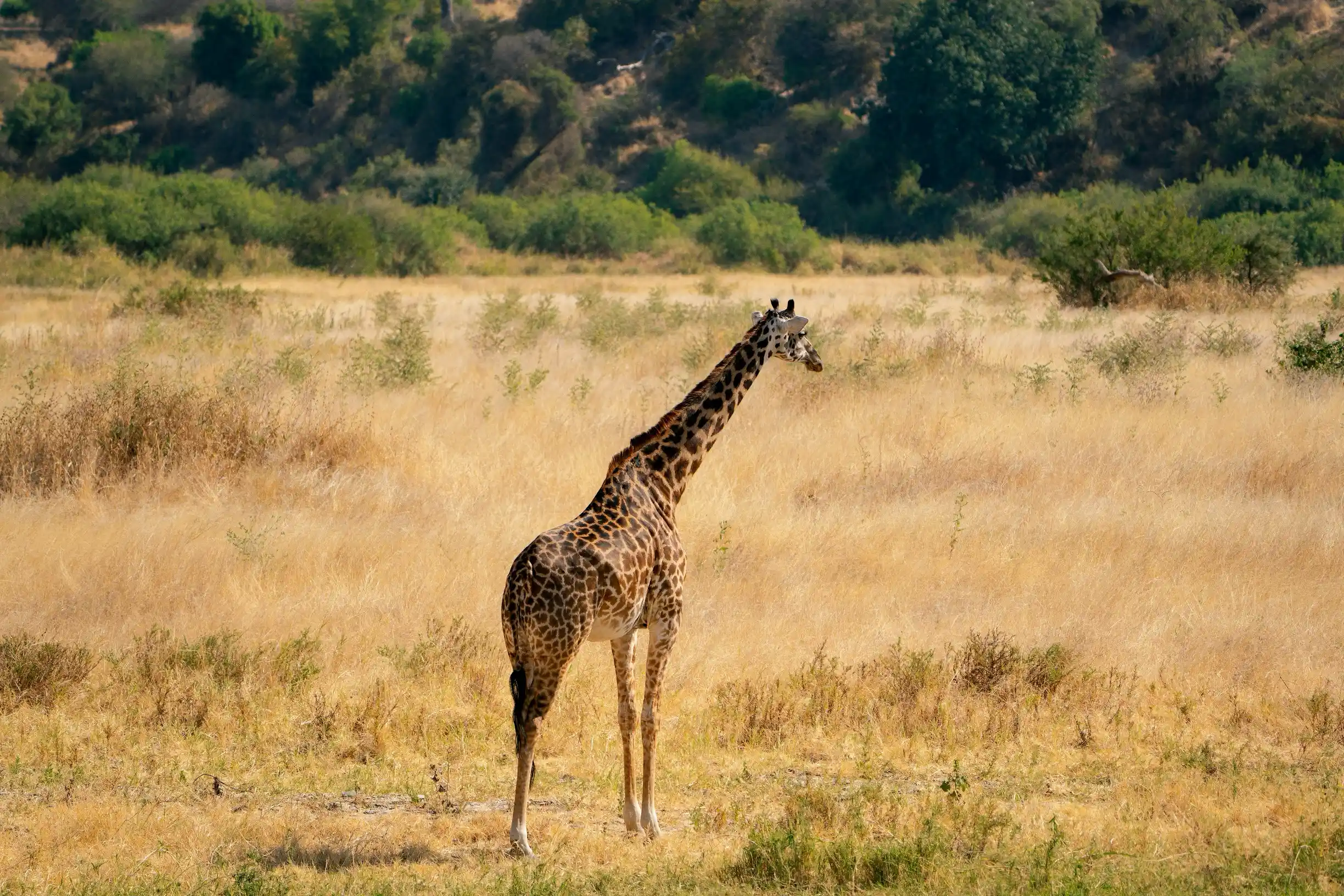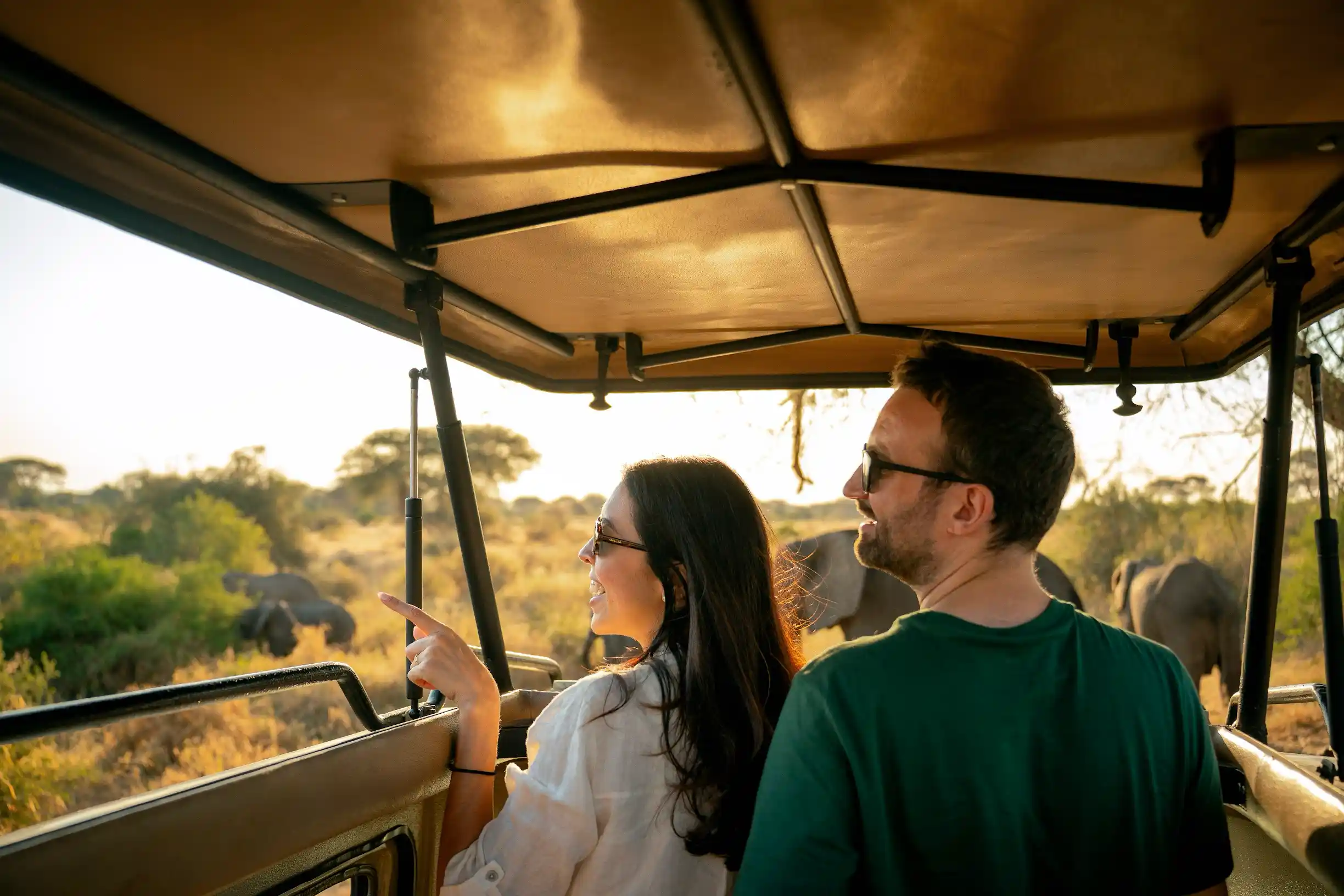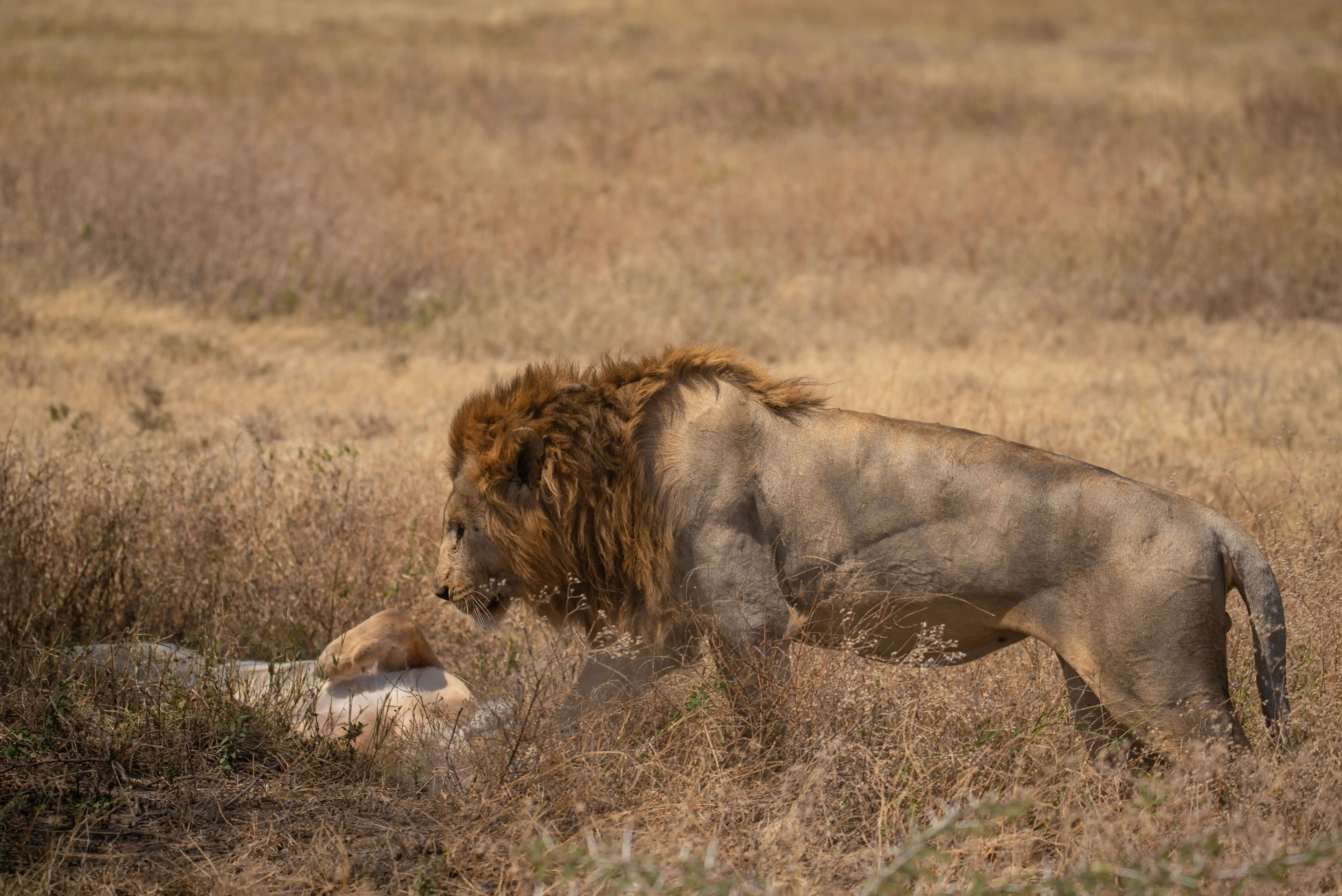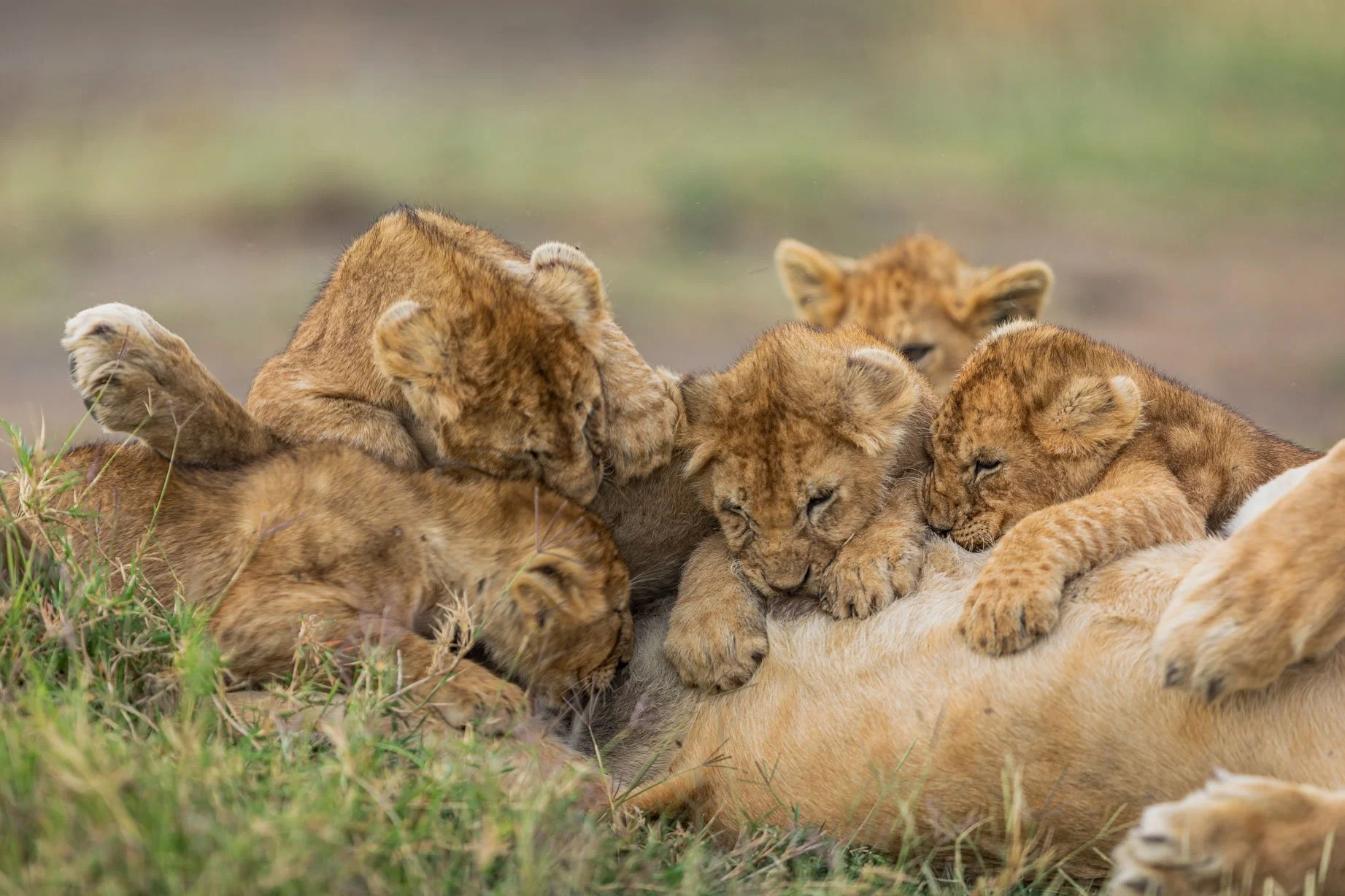
Tanzania rewards travellers in every month of the year — the right time depends on what you want to see. June to October is the classic dry season: vegetation thins, wildlife concentrates around water, and the Great Migration herds mass in the northern Serengeti for the famous Mara River crossings. Skies are clear, days are warm and nights in the highlands are cool.
November to December brings the short rains — brief afternoon showers that turn the plains emerald and bring migrant birds, with far fewer vehicles in the parks. January to March is calving season on the southern Serengeti plains, when hundreds of thousands of wildebeest give birth and predators are never far away. April and May are the long rains: lush, quiet and excellent value, though a few camps close.
Our advice: pick your priority — migration crossings, calving, birding or value — and we'll route your safari to where the wildlife will be. There is genuinely no bad month, only different seasons.
Tanzania is a year-round safari destination. June–October brings dry-season concentrations and migration river crossings, while January–March offers the southern Serengeti calving season and lush green landscapes.
Private mid-range safaris typically start around $350–450 per person per day; luxury journeys run higher. Our published packages start from $1,990 per person including accommodation, park fees, guide and vehicle.
We recommend at least five to seven days for the northern circuit — enough for the Serengeti and Ngorongoro without rushing. Add Zanzibar and ten days becomes ideal.
Tented camps put you closest to nature with real beds and en-suite bathrooms; lodges add pools and solid walls. Most itineraries mix both — we'll match the style to you.
All Natureloop safaris are private — your own vehicle, guide and schedule. It costs a little more than joining a group but transforms the experience.
Talk to a Tanzania specialist and turn this guide into a journey.
Plan My Safari